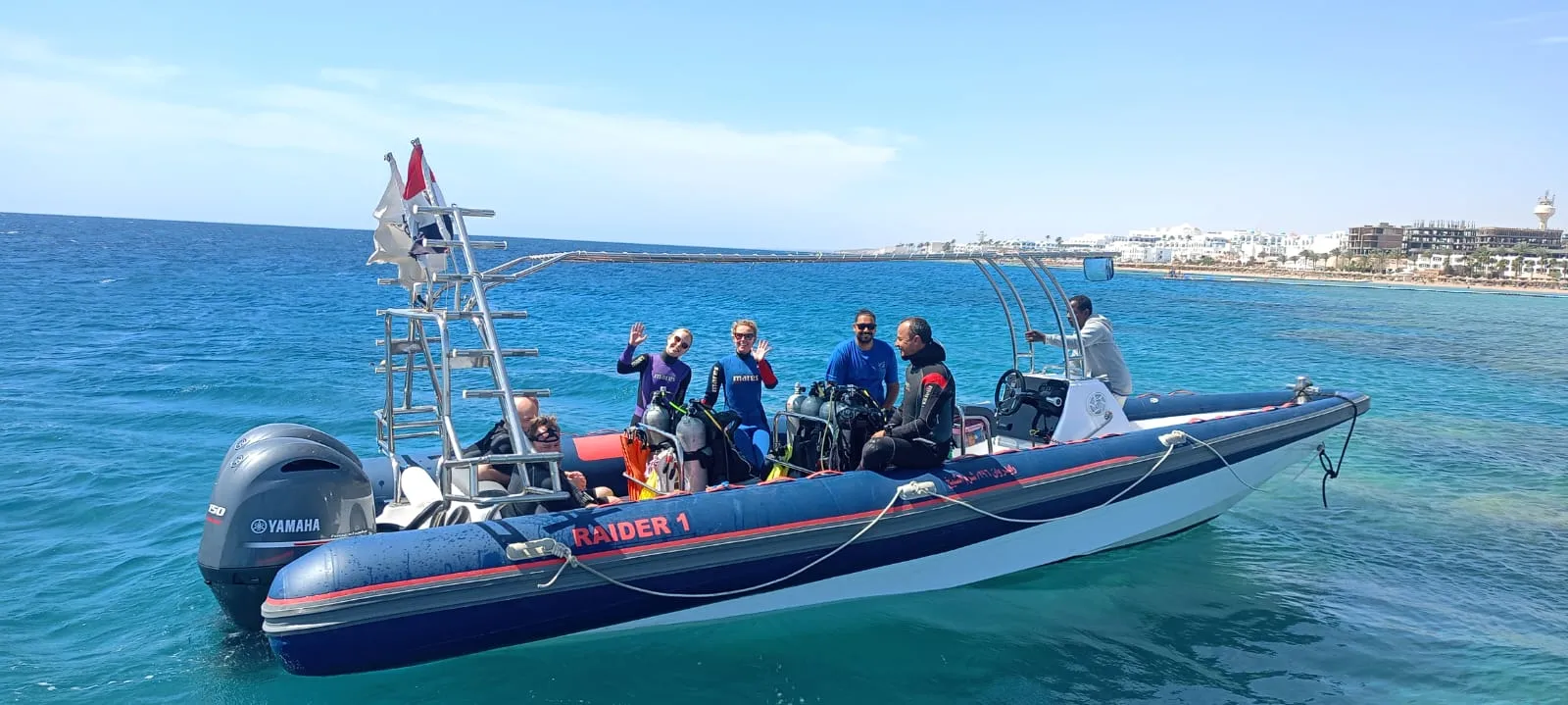
"When is the best time to dive the Red Sea?" is our most common question — and the honest answer depends on what you want. Peak visibility, whale sharks, hammerheads, quiet reefs, lowest prices — each has a different optimal window. This is the month-by-month breakdown based on what we actually see diving in Hurghada, Sharm, Makadi Bay and Sahl Hasheesh every week of the year.
Quick answer: when to book
If you just want us to tell you: book September to November. Water 26-28°C, visibility consistently 30m+, fewer tourists than summer, peak oceanic whitetip season at offshore reefs, calm conditions across most of the Red Sea. This is when locals dive.
If budget matters more than perfect conditions: January-February gives the lowest prices of the year with still-excellent diving — just bring a 5mm wetsuit.
January
Coolest month of the year. Water hovers at 21-23°C — warm by Mediterranean winter standards but cool enough that a 5mm wetsuit becomes essential, with hooded versions reasonable for divers who feel the cold. Surface conditions can be choppy, occasionally cancelling Thistlegorm day trips when northerly winds blow hard. Sites in the Strait of Tiran are protected and almost always divable.
Marine life is quieter at the surface but reef life remains active at depth. The thermocline that builds in summer disappears, meaning consistent water temperature top-to-bottom. Anthias activity slows in shallow water. Hammerhead sightings increase along deeper plateaus where the constant water temperature suits them. Prices are at their lowest of the year — January-February is genuinely the value-diving month if you're willing to deal with cooler conditions.
Best for January: wreck diving (less marine growth on lenses), photography in clearer water, divers who want crowded sites all to themselves. Avoid if: you hate cold or your trip depends on offshore reefs being accessible every day.
February
Similar to January — cool, quiet, with consistently excellent visibility. February is when local divers do their personal wishlist trips: the deep Thistlegorm dives, the offshore Brothers Islands trips, the long-day expeditions to Daedalus on liveaboards. Crowds are minimal and competition for boat space is light.
Reef life remains busy at depth where the water is most stable. Shallow reef fish activity slows in the cooler 22°C water — this is one reason February's photography looks crisper than summer's, with less plankton fouling lenses. The cooler water also discourages many of the seasonal pelagics that summer brings, but consistent hammerhead activity at Jackson Reef and Carless Reef compensates.
February air temperatures (17-23°C) mean you'll want a fleece for surface intervals on boats. Wind in the second half of the month sometimes affects offshore sites; the sheltered local sites of Sharm and Hurghada remain reliable. Best for February: wreck diving, photography, value-conscious trip planning.
March
Water starts to warm noticeably. By mid-March it's typically 23°C — borderline 5mm/3mm territory. Spring plankton blooms begin, which has two effects: visibility may temporarily reduce in shallow areas (down from 35m to 20-25m on bad days), and the increased food in the water column starts attracting the seasonal pelagics that define late spring and summer.
The first whale sharks of the year are typically reported in March at offshore Hurghada sites. They're not yet reliable — sightings remain rare and lucky — but they begin appearing. Cleaning stations become more active as fish populations recover from winter slowdowns. Coral spawning preparations begin in some species.
March is also when European school holidays drive the first crowd surges of the year — particularly the second half of March around Easter (which moves date-wise but typically falls in late March or early April). Book Aquarius daily-diving slots in advance for late March and Easter weeks.
Best for March: divers who want spring weather without summer prices. Avoid if: you specifically came for whale sharks (they're better in May-August) or you can't tolerate moderate crowds in the second half.
April
The pivot month of the Red Sea diving year. Water settles into the 23-25°C range — properly 3mm wetsuit comfort for most divers. Easter holidays drive heavy bookings; if you're planning an Easter trip, book six months out for accommodations near our bases.
Pelagic season ramps up materially. Whale shark sightings increase week by week. Manta rays begin appearing at southern sites. Hammerheads start their summer pattern at Jackson Reef. By the last week of April, the Red Sea is in full spring mode.
April is also a great month for combining training and pleasure diving. The water is warm enough that Open Water trainees aren't suffering, but the heat hasn't yet hit the brutal August levels that make wetsuit-wearing during long boat rides genuinely unpleasant. Visibility holds at 30m+ on good days. Crowds are moderate outside Easter week.
Best for April: first-time divers, spring break trips, people who want diving and beach time. Avoid if: you want guaranteed whale sharks (still hit-or-miss) or hammerhead-focused trips (peak hammerhead is June-August).
May
Start of peak whale shark season. Sightings become reliable rather than lucky. Offshore Hurghada sites — Sha'ab El Erg, Big Brother on liveaboard itineraries — become the most productive locations. Southern Red Sea (Marsa Alam) also peaks.
Spinner dolphin activity at Sha'ab El Erg's "Dolphin House" peaks. The resident pod is usually present throughout the day, providing snorkel encounters that work for non-divers in your group too. This is why family trips combining diving and snorkelling work especially well in May — both audiences get high-value experiences.
Water at 25-27°C means most divers comfortably wear a 3mm. Air temperatures climb to 27-33°C — surface intervals stop feeling cold but haven't yet become punishing. Visibility consistently at 30-40m. Crowds increase steadily; book in advance for Aquarius trips, especially Thistlegorm day trips.
Best for May: whale shark hunters, family diving holidays, dolphin encounters. The single best month for first-time visitors who want the full Red Sea experience without the August heat or January cool.
June
Whale sharks remain reliable through June, with peak probability in the back half of the month at offshore sites. The hammerhead season begins in earnest at Jackson Reef in Sharm — schools of scalloped hammerheads start patrolling the back walls at 25-35m. Sightings are not yet at peak frequency but become realistic.
The summer heat starts to bite. Air temperatures climb to 30-35°C and surface intervals on dive boats get genuinely hot — bring sun protection, drink twice as much water as you think you need, and consider booking shaded boats or shorter day-trips during the heat. Mid-day sun on a Red Sea dive boat is no joke.
Water temperatures rise to 26-28°C. Many divers shift from 3mm to skins or rashguards for thermal protection. The thermocline begins forming at about 25m, with cooler water below. Hammerheads tend to gather at the thermocline, which is one reason their summer pattern at Jackson works.
Visibility holds at 30-40m through the month. Best for June: hammerhead hunters, divers who want both whale sharks and hammerheads in the same trip. Avoid if: you struggle with heat or you're paying for accommodation that lacks effective air conditioning.
July
Peak summer. Peak heat. Peak whale shark probability if the plankton blooms hold (this varies year to year — some Julys deliver multiple sightings per week, others only deliver one or two). Peak hammerhead sightings at Jackson Reef. The most action-packed diving month in the Red Sea.
Air temperatures climb to 32-38°C. Combined with humidity off the water, this can feel oppressive. Drink constantly. Use sun protection that doesn't damage coral (mineral sunscreens with zinc or titanium). Schedule dives early morning when possible to avoid the worst of the afternoon heat.
Water at 27-29°C is bath-warm. Many experienced local divers dive in just a rashguard or skin. Thermal protection becomes more about sun and reef-rash protection than warmth. The strong thermocline forming at 25-30m means deep dives still need a 3mm — divers regularly underestimate this and shiver during deep wreck dives even in July.
Crowds peak. Boats run at capacity. Aquarius and other established operators run more daily trips to manage demand. Book at least 3 months in advance for July trips. Specific trips (Thistlegorm, Brothers Islands liveaboards) require even longer booking windows.
Best for July: the maximum pelagic experience. Whale sharks, hammerheads, manta rays at southern sites, and active reef life all in the same trip. Avoid if: heat tolerance is low or you want quiet reefs.
August
Hottest month of the year — air temperatures consistently 33-40°C, with occasional days pushing higher. Water temperatures peak at 28-30°C, warmer than many divers' bath water. Several local divers I know dive in just board shorts and rashguards through August, though most still use a thin shorty for sun and reef protection.
Coral spawning in the Red Sea is mainly a spring-to-early-summer event — mostly Acropora species releasing gametes in synchronised mass-spawning events triggered by the full moon, typically around April–June (earlier in the central Red Sea, later in the Gulf of Aqaba). August is past the main window, though some species can still spawn into the summer. Witnessing it is rare and weather-dependent; local guides usually know the likely dates a few days in advance and run specific spawning trips.
Plankton blooms increase. Visibility can drop slightly from the spring 40m to a still-respectable 25-35m. The plankton is what attracts the whale sharks and the bait-fish schools that feed the bigger predators, so reduced visibility is a feature not a bug — it indicates a productive ecosystem.
Hammerhead activity at Jackson is at its summer peak (early August through early October is the prime window). Brothers Islands and Daedalus on liveaboards have peak oceanic whitetip pre-season activity — the sharks are present but become more reliable from October.
Crowds remain at peak through August due to European school holidays. Prices are at their highest. Best for August: hammerhead-focused trips, photographers willing to trade visibility for marine action. Avoid if: heat tolerance is genuinely low — August in Egypt is uncomfortable on land.
September
The sweet spot begins. Ras Mohammed pelagic action peaks — walls of barracuda at Shark Reef, schooling jacks at Anemone City, and increased oceanic action across the entire park. The schooling fish patterns at Yolanda Reef are at their most photogenic. Tiran's Jackson Reef hammerhead activity continues from August.
Crowds drop materially after European school terms restart in early September. Boats become less crowded by the second week. Prices begin to soften. Air temperatures ease to 30-36°C — still hot but no longer punishing. Water at 27-29°C remains bath-warm.
Visibility recovers from the August plankton bloom. Mid-September typically delivers consistent 30-40m visibility across most sites. The first weeks of oceanic whitetip season open at offshore Brothers and Elphinstone for liveaboard divers.
This is when many local diving professionals take their personal trips and dive for fun. The combination of warm water, reduced crowds, and peak marine action makes September genuinely one of the year's best months. Best for September: serious divers, photographers, anyone who wants the summer marine life experience without the summer crowds.
October
Our pick for best overall dive month of the year. Water still warm at 25-28°C — comfortable in a 3mm shortie or full 3mm. Visibility often hits 40m+. Ras Mohammed and Tiran continue producing top pelagic action. Hammerhead season ends in early October but the action transitions to other species.
Most importantly, October opens the oceanic whitetip season at offshore Brothers and Elphinstone. Oceanic whitetips begin patrolling these reefs in numbers — the start of their reliable Red Sea window that runs through December. For shark-focused divers, October is when liveaboard demand for southern Egypt itineraries peaks.
Air temperatures drop to a comfortable 27-32°C. Surface intervals on boats stop being miserable. Crowds remain moderate. Prices ease from August peak. Wind patterns are typically settled, meaning offshore trips run reliably.
If you have one week in the Red Sea and you can pick any week of the year, pick a week in October. Combine with Hurghada's top sites for a balanced trip, or commit to a southern liveaboard for the oceanic whitetip experience. Best for October: everyone. This is the month I personally recommend most often when divers ask "when should I come?"
November
Oceanic whitetip peak month. The big-shark experiences at Brothers Islands and Daedalus are at their most reliable in November — multiple-shark encounters become realistic, and behaviour observation (rather than just brief glimpses) becomes possible. November is the month every Red Sea operator markets to shark-focused divers.
A secondary whale shark window sometimes opens in early November as residual plankton blooms persist. This isn't reliable like the May-July primary window, but a few sightings per week at offshore sites is normal. Manta rays continue at southern sites.
Water transitions to 24-26°C. Most divers move to full 3mm or 5mm wetsuits. Air temperatures drop to comfortable 24-29°C. Surface intervals are pleasant. Visibility holds at 30-40m. Crowds drop further as European holiday season ends.
Prices in November are typically 15-25% lower than August. This combined with the excellent diving conditions makes November one of the best value-for-money months of the year. Best for November: shark-focused divers (oceanic whitetips), value-conscious trip planners, people who like uncrowded reefs.
December
A month of two halves. Early December is cool and quiet — water at 22-24°C, light crowds, low-season prices. Christmas and New Year weeks (roughly 23 December to 5 January) are at peak demand, with prices comparable to summer and boats fully booked.
If you book December, book early. The popular accommodation near our Sharm and Hurghada bases fills 3-6 months out for the holiday weeks. Book early December (1-20) for a quieter, cheaper trip.
Diving conditions remain excellent. Oceanic whitetip sightings at Brothers and Elphinstone hold strong through December — late-season liveaboards often deliver the year's best shark encounters. Hammerheads transition to their winter pattern (deeper, more spread out, sightings drop in frequency but individual encounters can be excellent).
5mm wetsuit territory. Air temperatures cool to 19-25°C — bring layers for boat surface intervals. Wind patterns can affect offshore trips, particularly in the second half. Sheltered local sites at Sharm and Hurghada continue reliably.
Best for December: shark-focused divers (early-to-mid December), divers wanting holiday-season warmth combined with diving, value-conscious early-December trips. Avoid Christmas/NYE weeks if: you want quiet reefs or moderate prices.
Month-independent practical advice
Some things are true regardless of when you visit. These are the practical realities that affect your dive trip more than which specific month you book.
Weather windows are local, not seasonal
"December is windy" is the kind of generalisation that doesn't help when you're booking a specific week. Wind in the Red Sea is driven by north-easterly fronts that come through every 5-10 days at any time of year, more frequently in winter. A perfect calm December week is possible. A windy June week is possible. Your operator's flexibility to switch sites based on conditions matters more than the calendar.
Multi-site flexibility beats single-site optimisation
Aquarius runs from seven bases — Hurghada, Sharm, Makadi Bay, and Sahl Hasheesh. If your trip needs flexibility (visibility-critical photography, hammerhead hunting, weather-dependent offshore trips), staying somewhere with multiple operating bases gives you backup options when conditions change. This matters more in marginal months (December, March) than in peak windows (October).
Egyptian holiday calendar affects your trip
Egyptian school holidays and major Islamic holidays (Eid al-Fitr, Eid al-Adha — dates shift annually based on lunar calendar) drive domestic tourism that affects dive boat availability and accommodation prices. Check the calendar for your travel dates. International tourists tend to overlook this and end up paying premium prices during peak Egyptian holiday weeks.
Water temperature variation by site
Headline "water temperature" numbers describe surface conditions. Below the thermocline (forms at ~25m in summer), water can be 3-4°C cooler. Wreck dives and deep wall dives in summer often require thicker thermal protection than you'd guess from surface temperature. Conversely, winter dives have uniform top-to-bottom temperatures because the thermocline disappears — bring the right wetsuit for your deepest planned dive.
Visibility expectations by location
"Visibility" varies dramatically by site. Offshore reefs (Brothers, Daedalus, Elphinstone) consistently deliver 30-40m+. Local Hurghada sites can drop to 15-20m on plankton-heavy days. Sharm El Sheikh local sites are usually 20-30m. Wreck sites near harbours (El Mina, Salem Express in poor weather) can be 10-15m. Plan your trip's photographic priorities accordingly.
Booking window recommendations
For low-season months (January, February, late November, early December): 4-8 weeks ahead is fine. For shoulder months (March-April, October-November): book 2-3 months ahead. For peak months (June-September): book 4-6 months ahead. Christmas/New Year and Easter: book 6+ months ahead.
One-week vs two-week trip strategies
One-week trips reward depth: pick one base, build experience, do specific trips that are realistic in your fitness window. Two-week trips reward breadth: split between two bases, include a special trip (Thistlegorm or Dahab day-trip), allow weather flexibility. For first-time Red Sea visitors, we usually recommend a single-base seven-day trip to Hurghada or Sharm before committing to anything more ambitious.
Best time by goal
- Best visibility: September-November, especially October. Mid-October consistently delivers 40m+ on most sites.
- Whale sharks: May-August, peak June-July. Offshore Hurghada and southern Marsa Alam most productive.
- Hammerheads (Jackson Reef): August-September-early October. Sightings rare in winter despite occasional persistent rumours.
- Oceanic whitetips (Brothers, Elphinstone): October-December. Peak November.
- Manta rays: May-September at southern sites (Marsa Alam, Daedalus). Less common further north.
- Spinner dolphins (Sha'ab El Erg): Year-round but most reliable May-October.
- Coral spawning: mainly April-June (spring to early summer), lunar-cycle dependent. Ask local guides for specific dates.
- Quietest reefs: January-February. Late November and early December also good.
- Best for beginners (training): April-June or September-November. Avoid extreme heat (July-August) and cool months (December-March) for first-time visitors.
- Lowest prices: January-February and late November-early December.
- Highest prices: July-August (peak summer), Christmas/New Year week, Easter week.
- Wrecks (Thistlegorm, Abu Nuhas): April-November for reliable surface conditions. December-March can be cancelled by north winds.
- Photography (visibility-critical): September-November. Avoid August (plankton) and storm periods.
- Macro photography: Year-round, but cooler months (January-March) often deliver clearer water for tight subjects.
- Liveaboards (offshore reefs): April-November. Some operators run year-round, but boat availability and conditions are best in spring/autumn.
Related: For comparison with the world's other major dive destinations, see our Egypt vs Maldives diving comparison.
Frequently asked questions
What is the best month to dive the Red Sea?
October is generally considered the best single month — water temperature 25-28°C, visibility often 40m+, peak oceanic whitetip shark season at offshore reefs like Elphinstone and the Brothers, and crowd levels have dropped from the summer peak.
What is the water temperature in the Red Sea by month?
Red Sea water temperature ranges from 21-23°C in January-February (coolest) to 28-30°C in July-August (warmest). Most diving year-round is comfortable in a 3mm or 5mm wetsuit.
When can I see whale sharks in the Red Sea?
The whale shark season runs May to August, peaking in June and July when summer plankton blooms are densest. Outside this window, sightings drop to occasional one-offs and are not predictable. Whale sharks are always a bonus, never a guarantee — book a Red Sea trip because the diving is world-class, and treat a whale shark encounter as a rare gift.
When are the cheapest months to dive the Red Sea?
January and February offer the lowest prices of the year because water temperatures drop to 21-23°C (5mm wetsuit needed). Late November (after European autumn holidays, before Christmas week) is a second budget sweet spot with warmer water.