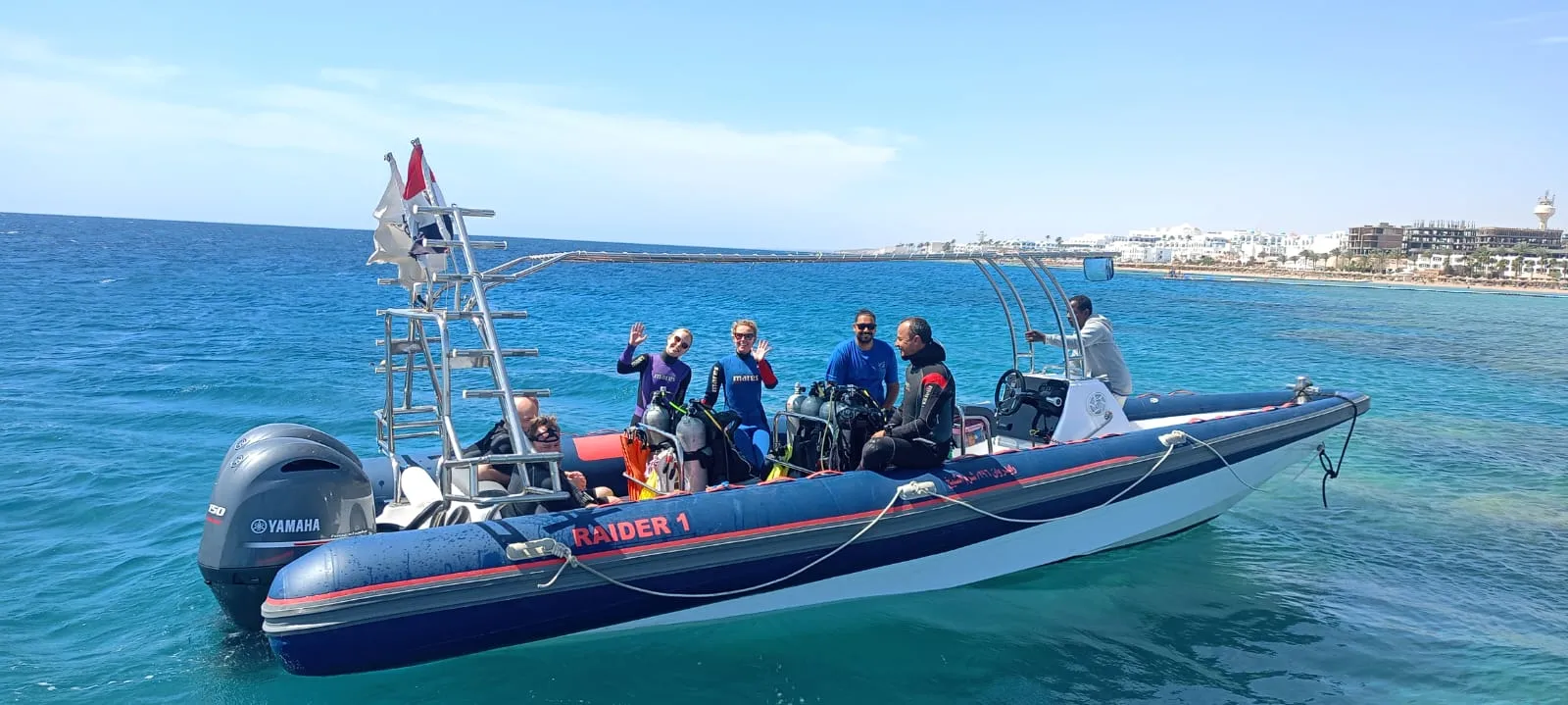
If you are planning your first Red Sea diving trip — or your tenth — this is your starting point. The Red Sea is one of the world's great underwater destinations, and Egypt's coast packs an extraordinary range of diving into one warm, accessible sea. This guide orients you: where to dive, the most famous sites, the marine life, how to learn, when to come, and how to plan. Think of it as the map — every section links out to the detailed guides so you can dive deeper wherever you like.
Why dive the Red Sea
Ask divers to name the best places they have ever dived and the Red Sea comes up again and again. There are good reasons it earns that reputation, and they all point back to scuba diving in the Red Sea being unusually rewarding for the effort it takes to get here.
Warm, clear, calm water. Sea temperatures sit around 21–23°C in the coolest winter months and climb to 28–30°C in high summer, so most diving is comfortable in a 3mm or 5mm wetsuit. Underwater visibility is famously good — frequently 20–30 metres and often more at offshore reefs. Many sites are sheltered, which makes for relaxed diving and an easy learning environment.
Healthy coral reefs. The Red Sea's fringing and offshore reefs are among the most vibrant accessible reef systems anywhere — hard and soft corals in dense, colourful walls and gardens, alive with anthias, butterflyfish, parrotfish and more.
World-class wrecks. The region is a wreck-diving icon, headlined by the SS Thistlegorm, a WWII cargo ship still loaded with trucks, motorbikes and munitions. There are many more, from shallow reef wrecks to deep technical sites.
Big and varied marine life. Reef fish in clouds, moray eels and octopus, turtles, dolphins, and — in the right season and at the right sites — sharks, including oceanic whitetips, hammerheads and the occasional whale shark.
Year-round, easy access. You can dive the Red Sea every month of the year, and Egypt's resort airports (Hurghada and Sharm el-Sheikh) are a short flight from most of Europe. Add affordable diving and a PADI 5-star infrastructure, and it is one of the most beginner-friendly world-class dive destinations there is.
Where to dive: the destinations
Egypt's Red Sea coast has several distinct dive bases. They share the same warm, clear water but each has its own character, signature sites and best-fit traveller. Aquarius operates in four of them, so you can choose the one that matches your trip — or combine two.
Hurghada
The classic all-rounder and the busiest gateway on the mainland coast. Hurghada sits within easy reach of a huge variety of reefs and islands, the offshore sites where whale sharks and dolphins appear, and day-trip access to the legendary Thistlegorm wreck. It suits first-time visitors, families and divers who want choice and value in one place. See what is on offer underwater in our Hurghada dive sites guide.
Sharm el-Sheikh
On the southern tip of the Sinai Peninsula, Sharm el-Sheikh is the address for big-ticket diving: the marine park of Ras Mohammed and the reefs of the Strait of Tiran. Expect dramatic walls, strong currents and a higher chance of pelagic action. It is a favourite of experienced divers, though there is plenty here for newer divers too. Start with our guide to the best dive sites in Sharm el-Sheikh and Ras Mohammed.
Makadi Bay
A quieter, resort-focused bay a short drive south of Hurghada. Makadi Bay offers calm, accessible reefs and an easy, relaxed pace — a strong choice for beginners, families and anyone who wants a hotel-and-diving holiday without the bustle, while keeping Hurghada's wider site list within reach.
Sahl Hasheesh
An elegant bay between Hurghada and Makadi, Sahl Hasheesh combines a sheltered house reef and nearby dive sites with a calm, upscale setting. It suits divers who want comfort and convenience close to the water, with the same access to Hurghada-area reefs and excursions.
Top dive sites
The Red Sea's site list is enormous, but a handful of names define the destination. Here are the highlights, each with a full guide so you can plan the dives that excite you most.
- SS Thistlegorm — arguably the world's most famous wreck dive. A WWII British cargo ship sunk in 1941, still holding trucks, motorbikes, rifles and railway cars. A bucket-list dive usually reached by day-trip or liveaboard.
- Ras Mohammed & Sharm sites — Egypt's flagship marine park, with Shark Reef and Yolanda Reef, schooling fish and big-fish action on the walls.
- Hurghada's reefs & islands — a deep menu of reef, drift and wreck dives plus offshore sites for dolphins and seasonal whale sharks.
- Jackson Reef, Strait of Tiran — dramatic walls and currents, famous for summer scalloped hammerhead sightings.
- Dahab — Blue Hole & Canyon — the Sinai's iconic shore dives, a short trip from Sharm, including the legendary Blue Hole.
Not a scuba diver yet, or travelling with snorkellers? The Red Sea's reefs are spectacular from the surface too — see our Orange Bay snorkelling guide for one of the most popular day trips from Hurghada.
Marine life: what you'll see
The Red Sea is a semi-enclosed sea with a high proportion of species found nowhere else, which is part of what makes its reefs so colourful and distinctive. On a typical dive you can expect dense schools of anthias and fusiliers, butterflyfish and angelfish, parrotfish grazing the coral, moray eels tucked into crevices, octopus, lionfish, and the chance of a turtle or a curious Napoleon wrasse cruising past.
The big encounters are seasonal and site-dependent. Whale sharks appear mainly in late spring and summer at offshore sites — always a bonus, never a guarantee. Scalloped hammerheads gather at Tiran's walls in summer, and oceanic whitetips patrol the offshore southern reefs from roughly October to December. Spinner dolphins are a year-round delight at sites like Sha'ab El Erg. Reef sharks, rays and the occasional manta round out the cast.
Want to know exactly what lives down there? Browse our Marine Life Encyclopedia for species-by-species profiles, from reef sharks to nudibranchs.
Learning to dive & courses
The Red Sea is one of the best places in the world to learn to dive — warm, clear, calm water and a deep bench of professional, multilingual instructors. Whatever your level, there is a path for you.
Never dived before
You do not need any certification to try scuba diving. A guided Try Dive (PADI Discover Scuba Diving) lets you breathe underwater under the direct supervision of an instructor — perfect for testing the water on holiday. When you are ready to dive independently, the PADI Open Water Diver course certifies you in around 3–4 days and is valid for life, worldwide. Our new divers page walks through your options.
Already certified
If you already hold an Open Water or higher certification, just bring your card and logbook and join our daily boats. Want to go further? Continuing-education courses — Advanced Open Water, deep, Nitrox, wreck and more — open up new sites and depths. See the certified divers page.
Going pro
Dreaming of turning diving into a career or simply mastering the craft? The professional pathway runs from Divemaster up to Instructor. As a PADI 5-Star IDC centre, we can take you all the way — explore the professional divers page.
When to go
The short version: you can dive the Red Sea every month of the year. Water temperatures range from about 21–23°C in January–February to 28–30°C in July–August, and the diving is excellent throughout. Many divers find September to November the all-round sweet spot — warm water, top visibility, settled conditions and big-fish action — while January and February are the quietest and cheapest, and high summer is the warmest but hottest on land and busiest.
Because the best month really depends on what you want to see and your budget, we have broken it down in full. Read our month-by-month best time to dive the Red Sea guide for water temperatures, visibility, marine-life seasons, crowds and prices for all twelve months.
Daily diving & how to plan
Most divers here dive the same way the locals do: daily diving. You stay in a hotel of your choice and join the boat each morning — typically two dives per day at a selection of reefs and wrecks, with a free hotel pickup, tanks, weights and a guide included, and lunch available on board. It is flexible, relaxed and great value, and it works whether you have booked one dive or a whole week. See exactly how it works, what is included and current schedules on our daily diving page.
Liveaboards are the other classic Red Sea format — multi-day trips by boat that reach the remote offshore reefs (the Brothers, Daedalus, Elphinstone) and string together famous wrecks. They suit experienced divers chasing the very best sites.
Ready to plan? The simplest route is to pick your base, then tell us your dates and what you want to dive. Use our online trip planner to get exact prices and availability, or message the team directly on WhatsApp — we reply in minutes during the day and will tailor everything to you. We speak six languages and have been diving this coast for over 30 years.
Good to know before you go
A few practical realities make any Red Sea diving trip smoother, no matter where or when you dive.
Conditions vary by site, not just by season
Headline numbers describe averages. Offshore reefs deliver the biggest visibility (30–40m+); local and harbour sites can be lower. Currents range from gentle to strong (especially in Tiran and at Ras Mohammed), which is why some sites are best suited to experienced divers. Wind comes through in fronts every few days year-round, so flexible operators simply switch to sheltered sites when needed.
Bring the right wetsuit for the season — and the depth
A 3mm is fine for most of the warmer months; a 5mm is the call for December–March. In summer a thermocline forms around 25m, so deep and wreck dives can be noticeably cooler than the surface suggests. Pack for your deepest planned dive.
What's included, and what to pack
Daily diving with us includes tanks, weights, a guide and free hotel transfer; quality rental gear is available, and soft drinks are typically included on the boat. Bring your swimwear, a towel and reef-safe (mineral) sunscreen. Certified divers should bring their certification card and logbook — and, if you have it, your own mask and computer.
Respect the reef
The Red Sea's reefs are protected and precious. Maintain good buoyancy, keep your gauges and fins off the coral, take nothing, and use reef-safe sunscreen. Marine-park fees apply at some sites and go toward conservation. Good operators brief all of this — it keeps the diving world-class for the next visitor.
Match your trip length to your goals
A one-week trip rewards picking a single base and building experience. Two weeks lets you split between bases or add a special trip such as Thistlegorm or a Dahab day-trip. For a first Red Sea visit, a single-base seven-day trip in Hurghada, Makadi Bay or Sharm is a great, low-stress way to start.
Related: ready to put dates to it? Start with our best time to dive the Red Sea guide, then choose your base in Hurghada or Sharm el-Sheikh.